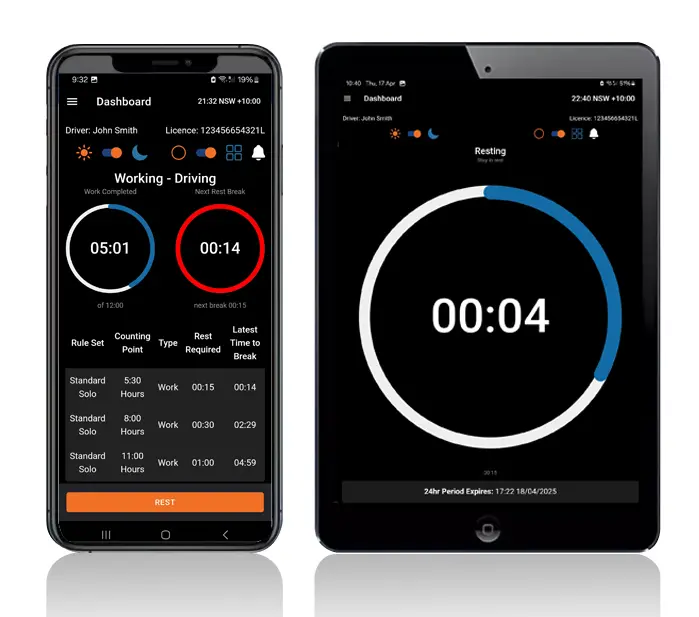
Logmaster helps transport operators keep their safety management plan alive, with day-to-day records of driver hours, fatigue alerts, pre-start checks and incidents.
Drivers use an NHVR approved electronic work diary on Android or Apple devices, and every entry adds to the plan's evidence.
Under the Heavy Vehicle National Law (HVNL), operators are expected to show their safety controls work in practice. That takes records collected every shift.
Logmaster collects them as you go.
Logmaster: Everyday Records for Your Safety Management Plan
Logmaster turns the controls in your safety management plan into records made each shift. Its NHVR approved Electronic Work Diary (EWD) covers driver hours, and the rest of the platform handles the checks and reports your plan calls for.
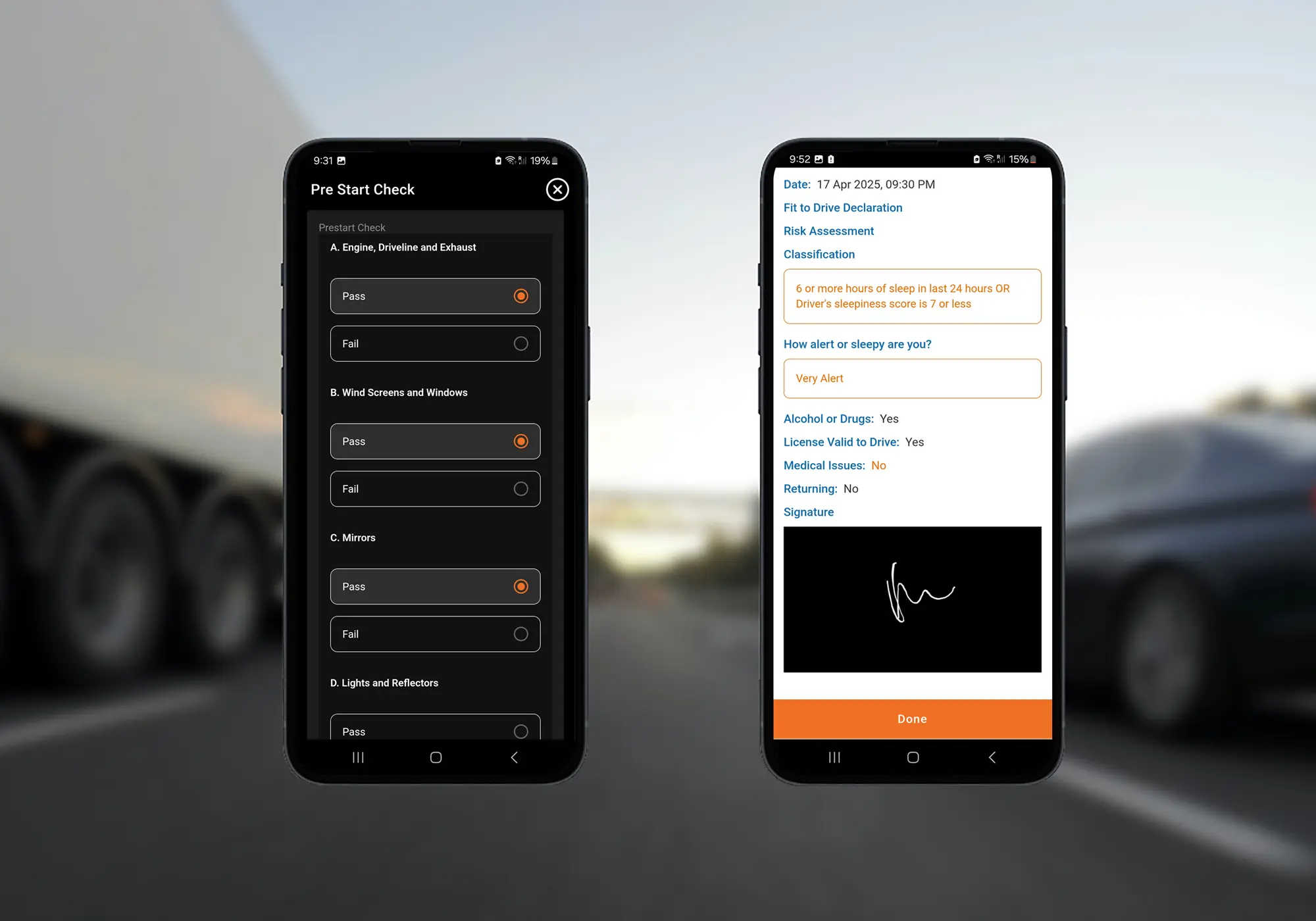
Customisable checklists let you match the app to the plan, so vehicle checks, defect reports, hazard forms and infringement records can all be set up the way your procedures describe them.
Drivers can use a compatible Android or Apple device, or a mounted tablet supplied by Logmaster.
Your plan sets the fatigue limits, and Logmaster records the actual minutes against them, with no rounding to 15-minute blocks.
Fatigue Controls Applied Each Shift
Break alerts go to drivers and the office during the day, so the fatigue section of the plan is acted on while the truck is still on the road.
A Running Record for Plan Reviews
When the plan comes up for review, you already have months of time-stamped hours, checks and incidents to test it against.
Records Continue in Remote Areas
Entries made out of range are kept on the device and synced later, so evidence for the plan builds up even on long regional runs.
Plan Paperwork Handled in the App
Pre-start and fitness forms reach the office as soon as they're submitted, and weekly log sheets follow on their own.
The Plan Covers Contractors Too
Owner drivers and casuals log through the same app, so contractors are measured against your plan the same way as employees.
How the Plan Works Day to Day
Heavy Vehicle Drivers
Drivers follow the plan without extra paperwork: a break reminder when one is due, time remaining on screen and checks completed in the app.
Fleet Managers and Record Keepers
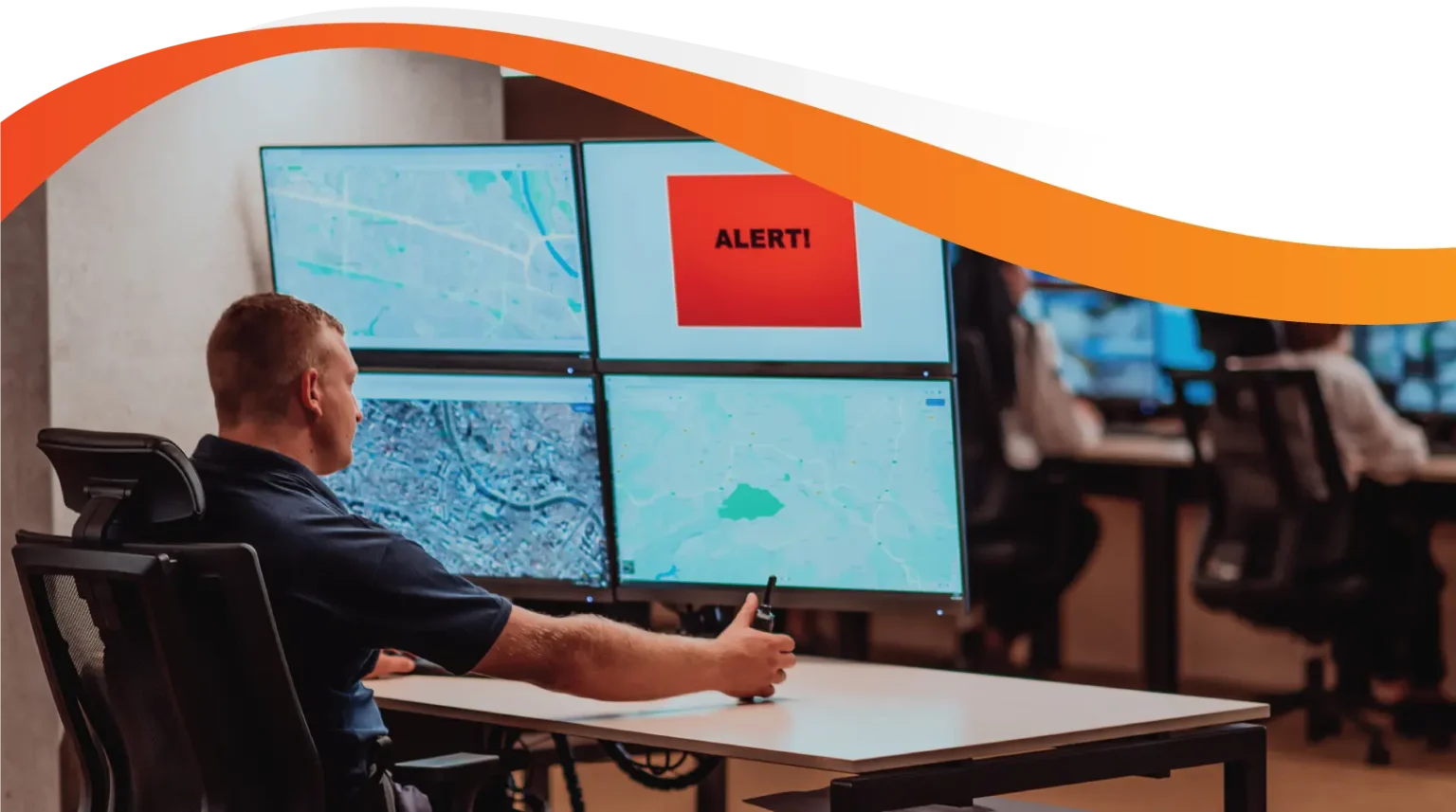
Record keepers watch entries arrive, act on alerts and schedule weekly or monthly reports for plan reviews. Drivers still on paper can be keyed in and checked for breaches.
Transport Business Owners
Owners can see whether the plan's controls are working across the fleet, backed by records that show the reasonable steps taken on fatigue.
Supporting Safety Plans Across Australia
Over 10,000 drivers record their hours in Logmaster's NHVR approved EWD, under HVNL rule sets or WA fatigue plans.
Operators from single owner drivers to Greyhound Australia rely on it, and Logmaster is certified to ISO 27001.
Putting the Plan Into Practice
Sign up at logmaster.com.au, or contact the team to map the app to your plan and get pricing.
Install Logmaster on Android or Apple phones or tablets, or ask about tablets with truck mounts.
Drivers set up their profile and sign a fitness declaration before their first logged shift.
Your team uses the web portal to follow driver activity live and respond to alerts.
Log sheets are sent to your record keeper every week, adding to the evidence behind your plan.
It sets out the safety risks in your operation and the controls applied to each, most commonly fatigue, vehicle condition, loading practices and driver competency. It also names who is accountable and how compliance is monitored and recorded.
The HVNL places a primary duty on parties in the chain to ensure safety so far as is reasonably practicable. A documented plan is how most operators demonstrate they have identified risks and put controls in place.
By tying it to records generated during normal operations rather than reviewing it once a year. Driver activity, fatigue alerts, pre-start checks and incident reports build the evidence continuously through the Logmaster portal.
Chain of Responsibility extends to employers, schedulers, consignors, consignees and loading managers, not only the driver. Anyone who influences how a heavy vehicle is used has a duty the plan should account for.
Fatigue is usually the biggest risk in the plan, and the work diary is where it's measured. Logmaster's EWD holds NHVR approval, so the hours it records meet the diary obligation and show the plan's fatigue controls being applied.
Ready to Keep Your Plan Current?
Book a demo and see how Logmaster keeps the evidence behind your safety management plan up to date, shift by shift.