
The Heavy Vehicle National Law (HVNL) reforms commence mid-year, and while there is no immediate cliff-edge for accredited operators, the regulatory environment is shifting in a way that will affect how transport businesses are audited, assessed, and expected to manage compliance.
If you currently operate under NHVAS, BFM or AFM, this is the period to understand what is changing, what is not changing, and what you should be doing now to prepare.
1. What Is Changing?
The most significant structural change is the transition from NHVAS to Heavy Vehicle Accreditation (HVA).
- AFM and BFM as labels will disappear.
- Alternate compliance fatigue arrangements will replace AFM.
- A General Safety Accreditation (GSA) becomes foundational.
- Safety Management Systems (SMS) will be central to accreditation.
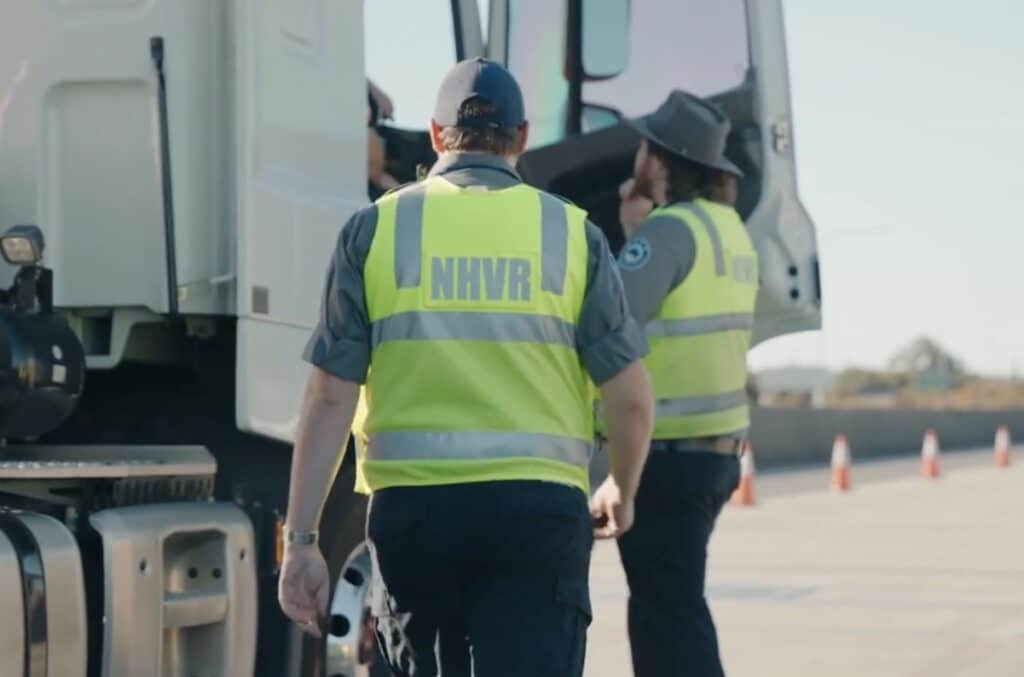
- Audits will focus on whether systems are present, operating, and effective.
In practical terms, this means regulators are shifting from checking that documentation exists to assessing whether compliance systems are actually functioning in the real world.
2. What Is Not Changing?
Despite the structural reform, core obligations remain.
- Fatigue management remains mandatory.
- Work and rest limits still apply.
- Operators remain responsible for compliance.
- Audit trails must be retained and produced when required.
The difference is not the existence of fatigue rules — it is the expectation that systems managing those rules can be demonstrated, reviewed, and defended.
3. What Operators Should Do in the Next 90 Days
Preparation now reduces stress later. At a minimum, operators should:
- Confirm your accreditation expiry date.
- Decide whether to reapply under NHVAS (if eligible) or transition to HVA.
- Review your Safety Management System documentation.
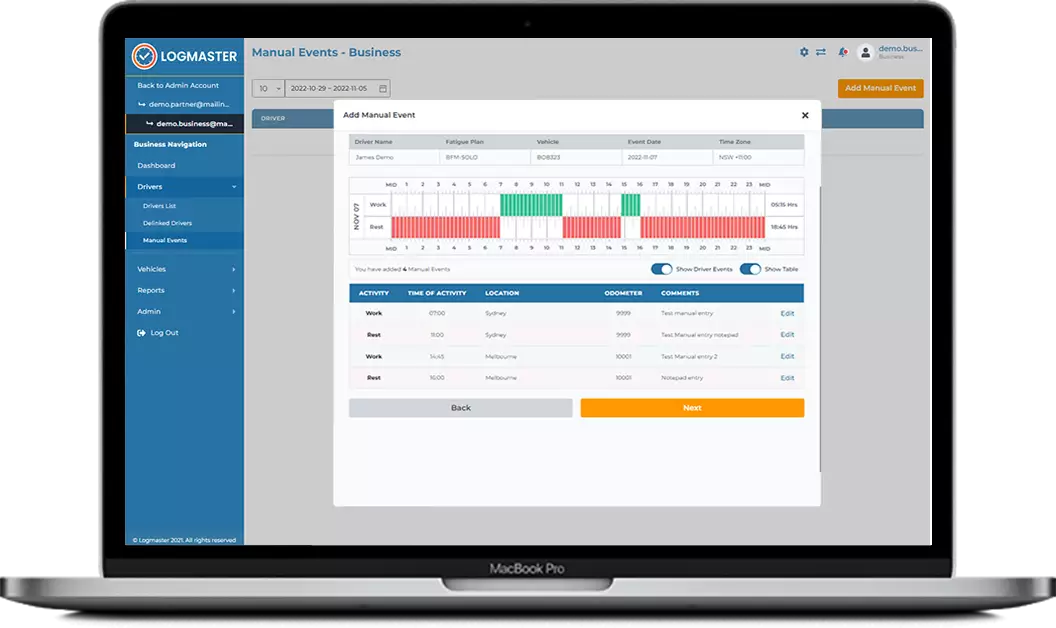
- Ensure fatigue records are complete, consistent, and exportable.
- Conduct a basic gap analysis against the new audit expectations.
Operators with clean audit histories may be able to extend under the current system, buying time to transition. Others may prefer to move early into HVA to align with the new framework.
4. What Auditors Will Be Looking For
Under HVA, auditors will assess three core questions:
- Is your SMS present?
- Is it operating?
- Is it effective?
This means being able to demonstrate that fatigue controls are actively monitored, breaches are identified, corrective actions are recorded, and processes are consistently followed.
Paper systems, spreadsheets, and fragmented records make this harder. Structured digital systems make it easier.
5. Where Software Makes a Difference
As accreditation moves toward demonstrable system performance, automation becomes less optional and more strategic.
Well-configured compliance software can:
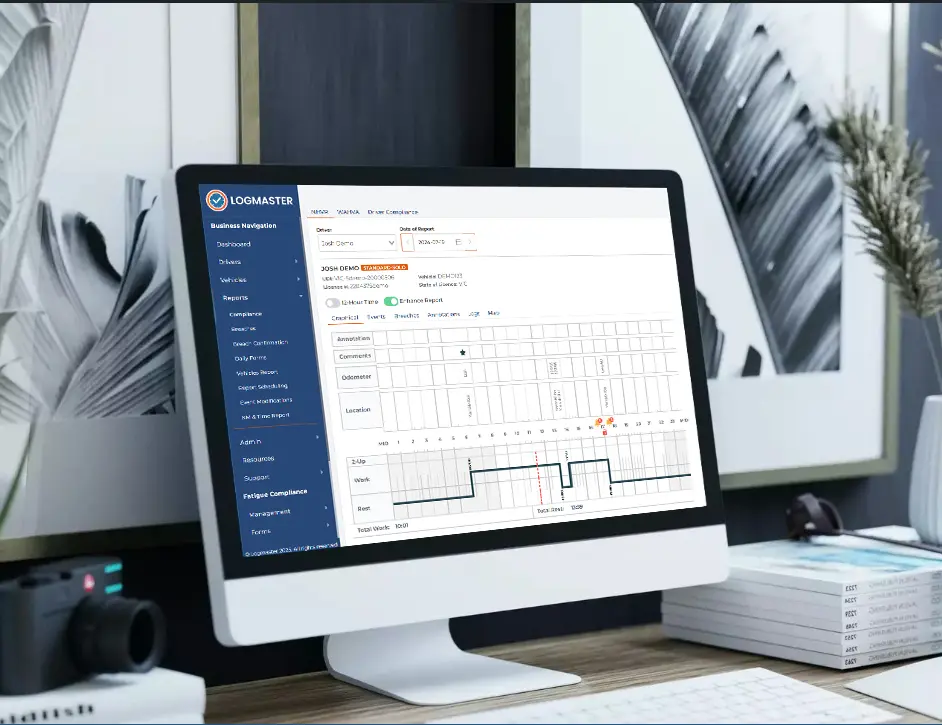
- Provide real-time fatigue visibility.
- Alert before breaches occur.
- Store structured audit evidence.
- Produce export-ready compliance reports.
- Reduce manual interpretation risk.
Operators that rely on manual work diaries or reactive processes will find the new audit environment more demanding. Operators with structured, auditable digital systems will find it manageable.
Final Thought
The mid-year HVNL reforms are not a panic event. They are a structural shift toward stronger system accountability. Transport operators who review their accreditation position, tighten their SMS processes, and ensure their fatigue management tools are robust will transition smoothly.
The next 90 days should be used to assess, align, and automate where necessary.